At DDI benefits we partner with employer groups to design a health benefits program that supports and encourages a healthy workforce.





At DDI benefits we partner with employer groups to design a health benefits program that supports and encourages a healthy workforce.
Health insurance has always been confusing, and never more than in this time of unprecedented change. We’ll help you find the right coverage.
Are you turning 65 or older? Questions about Medicare? Confused about your options?
We can help!

We're right here in Portland. Large-firm offerings, but the personal service of an independent agency. Call us, we answer the phone. Need to see someone face to face? That’s what we do.

Health insurance is the most valued employee benefit. Do you have the right coverage at the best rate? What other benefits do you need to offer? Call us...we'll help you do it right.

Benefits are complicated and time consuming. Let DDI handle some or all of your benefits admin! You'll make the most of your benefits...and your people. So you can focus on your business.
Get Answers: Medicare 101 Webinars & Personalized Assistance

LUKE BARRETT, FULLY






Good news! You can choose your 2027 Medicare Plan now and be ready to enroll October 15th! Pick your plan. Enroll starting October 15th. Done. Starting OCT 1: Watch the videos below, decide, and email us your choice. OCT 15: Enrollment opens, we email you your completed application to sign. DEC 31: Last day to… Read More
There May Be a Smarter Way to Price Your Health Plan This Renewal If your renewal notice hit harder this year, you’re not imagining it. Oregon’s fully insured and association health plan markets have posted steep increases, and 2027 is bringing more disruption on top of that: Both Providence Health Plan and HealthNet are exiting the… Read More
Your Workforce Has Never Looked Like This Before Five generations are now working side by side: Traditionalists, Baby Boomers, Gen X, Millennials, and Gen Z. Each grew up in a different economy and is at a different life stage. That mix is great for mentorship and collaboration. It’s tough for building one benefits plan that… Read More
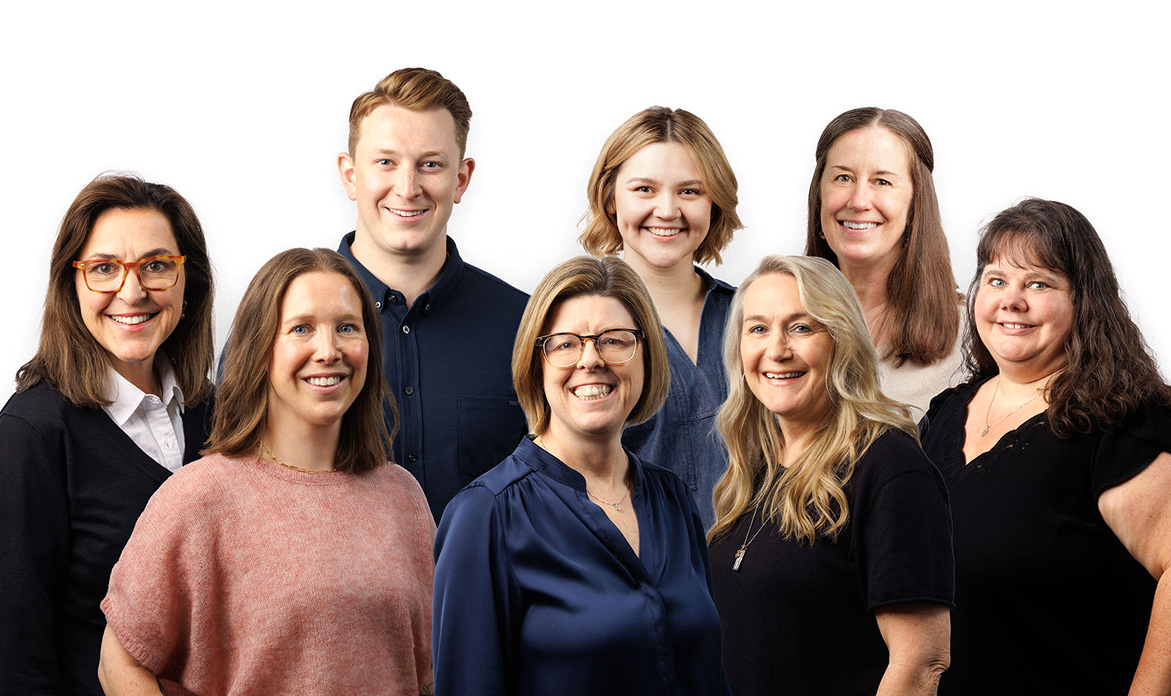
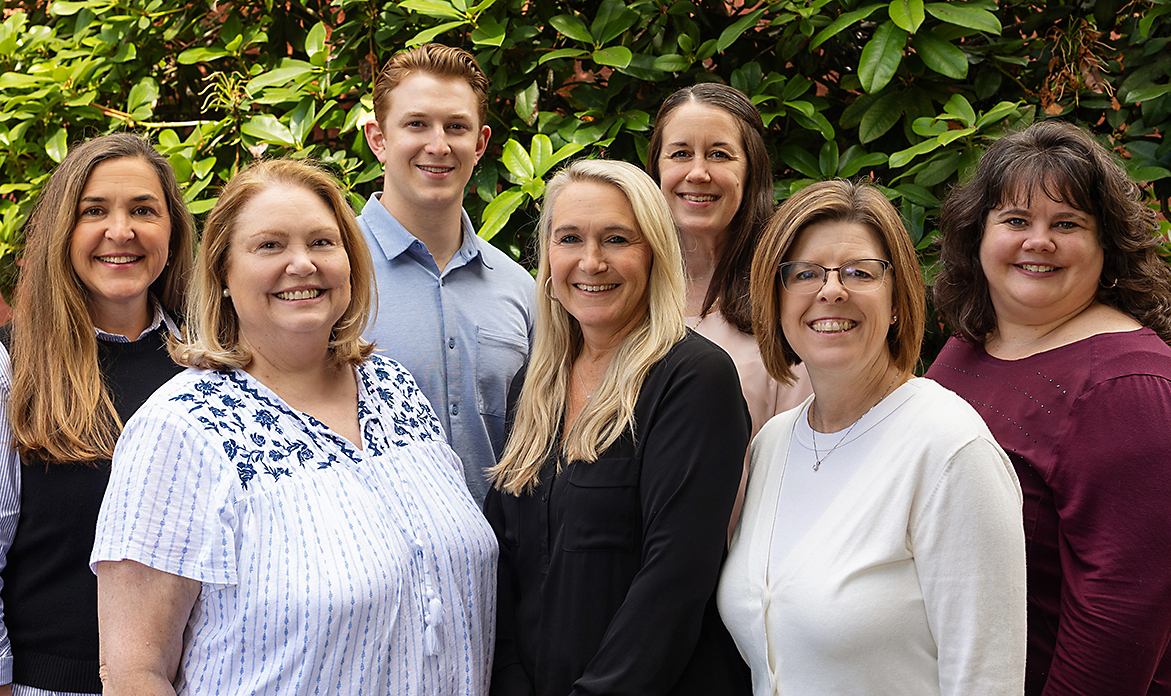
DDI Benefits was formed with a singular purpose: a commitment to service and dedication to our clients’ best interests that benefits not just our clients, but the people who work for them.










2111 NE Halsey Street
Portland, OR 97232
503.206.5654
fax 503.296.2585
Medicare Disclaimer: We do not offer every plan available in your area. Currently, we represent 8 organizations which offer 62 products in Oregon and Washington. Please contact medicare.gov or 1-800-MEDICARE, or your local State Health Insurance Program to get information on all your options. Please note that we are required to record all phone conversations with clients who want to discuss Medicare Advantage and/or Part D prescription drug plans. We are not connected with or endorsed by the United States government or the federal Medicare program.
Talk to us. We can help.
Employee Benefits / Insurance Consulting
Open Enrollment / Employee Engagement
Benefits Administration
Benefits / HR Technology
Compliance Administration
HR Support
Wellness
Health Insurance
Dental insurance
Life Insurance
Medicare
Medicare Disclaimer: We do not offer every plan available in your area. Currently, we represent 8 organizations which offer 62 products in Oregon and Washington. Please contact medicare.gov or 1-800-MEDICARE, or your local State Health Insurance Program to get information on all your options. Please note that we are required to record all phone conversations with clients who want to discuss Medicare Advantage and/or Part D prescription drug plans. We are not connected with or endorsed by the United States government or the federal Medicare program.
